
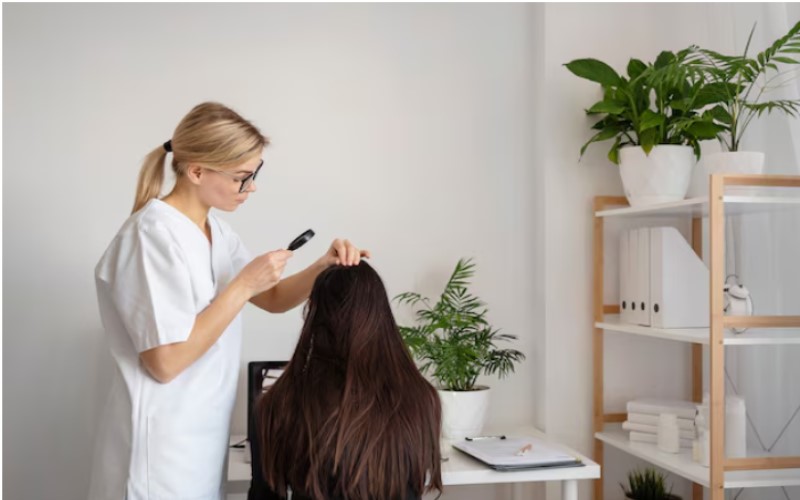
Thinning hair is a common concern that affects people of all ages and genders. It can be triggered by various factors, including stress, poor diet, hormonal imbalances, and even environmental pollutants. While there are countless products on the market promising instant results, many individuals seek natural remedies to restore hair health and promote growth. Jonsson protein review highlights how protein-based treatments can be a key part of a natural solution to thinning hair. Understanding the root causes of hair thinning and adopting effective, natural solutions can make a significant difference.
Identifying the Causes of Hair Thinning
Before diving into natural treatments, it’s important to identify what might be causing your hair to thin. Stress is a major culprit, often leading to a condition called telogen effluvium, where hair prematurely shifts to the shedding phase. Nutritional deficiencies — particularly in iron, vitamin D, and biotin — can weaken hair follicles. Hormonal changes, such as those experienced during pregnancy or menopause, can also disrupt hair growth cycles. Additionally, overuse of harsh hair products or excessive heat styling may damage hair strands and roots.
By understanding these triggers, you can better tailor your approach to hair care and choose natural solutions that address your specific concerns.
Natural Remedies for Thinning Hair
Scalp Massage with Essential Oils
A simple yet effective remedy is regular scalp massage, which stimulates blood flow and encourages hair follicles to produce thicker, healthier strands. Adding essential oils such as rosemary, peppermint, or lavender can enhance the benefits. Studies have shown that rosemary oil, in particular, can be as effective as minoxidil — a common hair growth treatment — in improving hair density over time.
Aloe Vera Treatments
Aloe vera is renowned for its soothing and healing properties, but it’s also a powerful ally for your scalp. It helps reduce inflammation, unclog hair follicles, and balance scalp pH levels, creating an ideal environment for hair growth. Apply fresh aloe vera gel directly to your scalp, leave it for 30 minutes, and rinse with lukewarm water.
Nutritional Boost with Hair-Healthy Foods
Diet plays a crucial role in maintaining strong, thick hair. Incorporate foods rich in omega-3 fatty acids, such as salmon and flaxseeds, to nourish hair follicles from within. Leafy greens like spinach provide iron and vitamins A and C, which support sebum production — your scalp’s natural conditioner. Eggs are another excellent choice, offering a boost of biotin, a key nutrient for hair strength and growth.
Herbal Treatments: Ginseng and Saw Palmetto
Certain herbs have been used for centuries to combat hair thinning. Ginseng contains phytochemicals that stimulate hair follicles and promote new growth. Saw palmetto, commonly found in hair supplements, helps block the hormone DHT (dihydrotestosterone), which is linked to hair loss.

DIY Hair Masks
Creating homemade hair masks using natural ingredients can strengthen and moisturise hair. A simple yet effective mask includes:
- 1 ripe avocado (rich in vitamins and healthy fats)
- 1 tablespoon of olive oil (to hydrate and add shine)
- 1 egg yolk (packed with biotin and protein)
Mash these ingredients together, apply to damp hair, leave for 20 minutes, and rinse thoroughly. This mask nourishes the scalp while fortifying hair strands.
Lifestyle Adjustments for Better Hair Health
In addition to topical treatments, lifestyle changes can significantly impact hair health. Managing stress through meditation or yoga helps balance cortisol levels, reducing stress-induced hair shedding. Staying hydrated keeps hair shafts moisturised from the inside out. Lastly, getting adequate sleep allows your body to repair and regenerate hair follicles.
Conclusion
Addressing thinning hair naturally involves a combination of targeted treatments, a nutritious diet, and mindful lifestyle choices. By nurturing your scalp with essential oils, boosting your diet with hair-friendly foods, and incorporating effective herbal remedies, you can create the perfect environment for stronger, healthier hair growth. While results may take time, consistency and patience are key. If hair thinning persists despite your efforts, consulting a dermatologist or trichologist can help identify underlying medical causes and guide you towards further solutions.

Nike is the founder and editor at nameshype.com. He is graduated in English language and love to write and share information online.
Therefore he has created this unique community to give millions of people all over the world with unique, funny, cute and creative name ideas.