
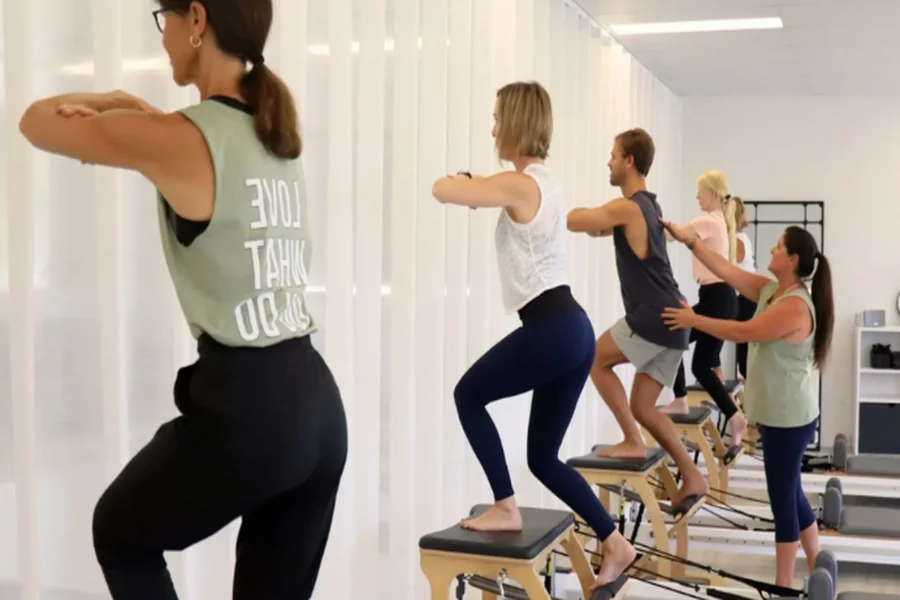
Finding an exercise method that strengthens your body, improves posture and supports overall wellbeing can make a big difference in how you feel day to day. For many people, the practice of Pilates offers a balanced way to enhance muscle tone, mobility and core strength while reducing the risk of injury. If you are curious about trying this approach, you can explore Pilates classes in Sydney with Polestar Pilates, a program tailored to all fitness levels and designed to help individuals build strength with mindful movement.
Whether you are new to Pilates or returning after a break, understanding what makes this form of exercise effective helps you get the most from your classes. In this guide, we explain the basics of Pilates, how it compares with other workouts, what to expect in your first sessions and how it supports long-term wellbeing.
What Is Pilates and How Does It Work
Pilates is a form of movement training developed in the early 20th century that focuses on strengthening the body with an emphasis on core muscles. It encourages connection between breath, body awareness and controlled movement.
Core Principles of Pilates
- Controlled, precise movements
- Balanced development of muscles
- Focus on breath and alignment
- Mindfulness and concentration
- Repetition with gradual progression
These principles make Pilates suitable for people seeking strength, rehabilitation, flexibility and better posture.
Why Pilates Is Different From Other Workouts
Many forms of exercise improve fitness, but Pilates stands out for its attention to core stability and functional strength.
How Pilates Compares
- Unlike weight training, Pilates uses body weight and resistance to build strength
- Unlike running or cycling, it emphasises stabilising muscles that support posture
- Unlike yoga, it focuses more on controlled motion and muscle recruitment patterns
Pilates blends strength training and flexibility work in a way that supports everyday movement and long term joint health.
Benefits of Regular Pilates Training
Regular Pilates practice has a range of physical and mental benefits.
Physical Benefits
- Improved core strength and stability
- Better posture and body alignment
- Enhanced flexibility and mobility
- Reduced risk of injuries
- Support for back and neck comfort
Mental and Emotional Benefits
- Increased body awareness
- Reduced stress through focused movement
- Greater confidence in daily movement
- Mindfulness during exercise
These benefits make Pilates a well rounded practice for people of many ages and lifestyles.
Who Can Benefit From Pilates
One of the strengths of Pilates is its adaptability. It suits beginners and more experienced practitioners alike.
Great Options For
- People new to exercise
- Individuals with sedentary jobs seeking posture improvement
- Athletes looking for cross training support
- Older adults seeking mobility and stability
- Anyone with a history of mild back discomfort seeking safer movement patterns
Pilates allows exercises to be modified to meet specific needs, making it inclusive and supportive.
What to Expect in Your First Class
Starting something new can feel intimidating, but first Pilates sessions are welcoming and paced to help you learn the basics.
Typical Elements of a First Session
- Introduction to breathing techniques
- Teaching of neutral spine and alignment cues
- Simple movements focusing on core awareness
- Gentle exercises to engage major muscle groups
- Encouragement to work at your own level
Experienced instructors guide you through each movement with clear cues and personalised adjustments.
Pilates Equipment and Movement Styles
Pilates can be performed on a mat or with specialised equipment. Each style offers unique benefits.
Mat-Based Pilates
Mat classes use body weight and gravity to build strength and mobility. They are excellent for beginners and can be adapted to different fitness levels.
Reformer and Equipment-Based Pilates
This approach uses machines such as reformers, barrels and chairs to add resistance and challenge stability. Equipment classes deepen strength and support rehabilitation goals.
Mixed-Level and Group Classes
Group Pilates classes offer variety, community support and structured progression guided by an instructor.
How Pilates Supports Functional Movement
Functional movement refers to the way your body moves in daily life. Pilates strengthens the muscles you use to sit, stand, lift and reach with more ease.
Everyday Support Includes
- Easier lifting of objects
- Better balance while walking or climbing stairs
- Reduced fatigue during daily tasks
- Support for long periods of sitting or standing without discomfort
Pilates trains movement patterns that transfer beyond the studio and into regular life.
Tips to Enhance Your Pilates Practice
To get the most out of your Pilates classes, consider a few helpful habits.
Suggestions for Success
- Wear comfortable, fitted clothing to allow proper alignment cues
- Communicate any injuries or limitations with your instructor
- Pace yourself and focus on quality of movement over quantity
- Keep a regular schedule to build consistency
- Hydrate before and after sessions
These habits help you progress safely and stay motivated.
Combining Pilates With Other Activities
Pilates fits well into broader fitness lifestyles, complementing other exercise forms.
Compatible Cross-Training Options
- Walking, cycling or swimming for cardiovascular health
- Strength training for additional muscle support
- Stretching or yoga for deeper flexibility
- Sport-specific training for athletes
Pilates can enhance overall fitness without replacing other healthy movement practices.
How Pilates Helps With Posture and Back Health
One of the most common reasons people try Pilates is to support posture and ease back discomfort. Pilates does not treat medical conditions, but it does build strength in key areas that influence spinal support.
Core Muscles and Back Support
A strong core helps keep the spine aligned and reduces unnecessary strain on lower back muscles. This can improve comfort during daily activities.
Posture Awareness
Pilates encourages mindful alignment, helping you notice and correct habits that contribute to discomfort.
Tracking Progress in Your Pilates Journey
Unlike workouts that show visible changes quickly, Pilates progress is often felt in improved movement quality, breath control and less tension during activity.
Signs of Progress
- Easier control of movements
- Improved balance and stability
- Reduced fatigue during activity
- Greater confidence in complex exercises
- Better posture throughout the day
Progress is gradual and cumulative, rewarding regular commitment.
Choosing a Reputable Pilates Studio
Selecting a quality studio ensures you receive safe instruction and a supportive environment.
What to Look For
- Certified and experienced instructors
- Clear explanations of technique and modifications
- Classes that respect individual ability levels
- A welcoming, encouraging atmosphere
- A variety of class options to match your goals
Choosing the right studio supports both results and enjoyment.
Conclusion
Pilates offers a balanced approach to strength, flexibility and mindful movement that benefits people of many ages and fitness levels. Whether you want a gentle introduction or a deeper, equipment-based practice, consistent training supports better posture, core stability and overall wellbeing. If you are ready to improve your movement and confidence, consider joining Pilates classes in Sydney with Polestar Pilates to experience structured guidance, expert instruction and a welcoming environment designed to help you thrive.
With thoughtful practice, personalised attention and consistent engagement, Pilates becomes more than a workout. It becomes a tool for better movement, greater body awareness and longer lasting physical strength. If you want variations that focus on Pilates for rehabilitation, pregnancy support or athlete training, I can create further tailored articles.

Nike is the founder and editor at nameshype.com. He is graduated in English language and love to write and share information online.
Therefore he has created this unique community to give millions of people all over the world with unique, funny, cute and creative name ideas.