
Every child develops at their own pace, but some may need additional support to build essential life skills, improve coordination, manage emotions, or thrive in school and daily routines. For many families, early intervention makes a powerful difference in confidence, wellbeing, and overall development. That is why so many parents trust Hope Kids Occupational Therapy, a dedicated service focused on helping children strengthen their abilities in a supportive and nurturing environment.
The Role of Paediatric Occupational Therapy
Paediatric occupational therapy helps children gain the skills they need for everyday living. These skills can include physical abilities, emotional regulation, sensory processing, social interactions, and school readiness. Occupational therapists work closely with parents and caregivers to identify the child’s strengths, challenges, and goals.
Children may experience difficulties for a variety of reasons, including developmental delays, neurological conditions, sensory sensitivities, injuries, or emotional challenges. Occupational therapy uses evidence-based strategies to help children reach their potential and participate more confidently in daily activities.
The goal is simple: empower children to do the things that matter most to them, whether that is getting dressed independently, forming friendships, writing neatly, focusing in school, or feeling calm during busy or overwhelming situations.
How Occupational Therapy Helps Children
Occupational therapy supports development across many areas. Each child receives a personalised plan tailored to their unique needs.
Common focus areas include:
- Fine motor skills: Supporting handwriting, drawing, using cutlery, fastening buttons, and controlling small movements
- Gross motor skills: Improving balance, coordination, posture, and body awareness
- Sensory processing: Helping children who feel overwhelmed or under-responsive to sounds, textures, movement, or touch
- Emotional regulation: Teaching coping strategies, building resilience, and supporting emotional awareness
- Social skills: Encouraging communication, turn-taking, cooperation, and confidence in group settings
- Self-care skills: Supporting independence in dressing, grooming, toileting, and feeding
- Attention and behaviour: Helping children improve focus, follow routines, and manage transitions
Each of these areas contributes to a child’s overall development, confidence, and independence.
The Power of Early Intervention
One of the most important benefits of occupational therapy is the impact of early intervention. When children receive support early, they often build skills faster, reduce frustration, and experience greater success at school and at home.
Early intervention helps identify challenges before they become larger obstacles. It also gives children the tools they need to navigate their environment with confidence. Families benefit too, gaining practical strategies to support their child’s learning and wellbeing each day.
A Child-Centred and Family-Focused Approach
Children respond best when they feel safe, understood, and encouraged. That is why services like Hope Kids Occupational Therapy work not only with the child but also with parents, teachers, and caregivers.
Therapists take time to understand how a child plays, communicates, and responds to different situations. They incorporate fun, interactive activities into therapy sessions to make learning enjoyable. Parents often receive guidance on simple activities that can be used at home to support ongoing progress.
This collaborative approach ensures that therapy is consistent, meaningful, and tailored to real-life situations.
Creating a Supportive Environment
Children thrive when they feel supported, and occupational therapy aims to create this environment in every session. Therapists use play-based strategies to help develop skills while keeping sessions engaging and positive.
Examples include:
- Obstacle courses to improve strength, balance, and coordination
- Sensory bins and tactile play to support sensory integration
- Games that encourage turn-taking, communication, and problem solving
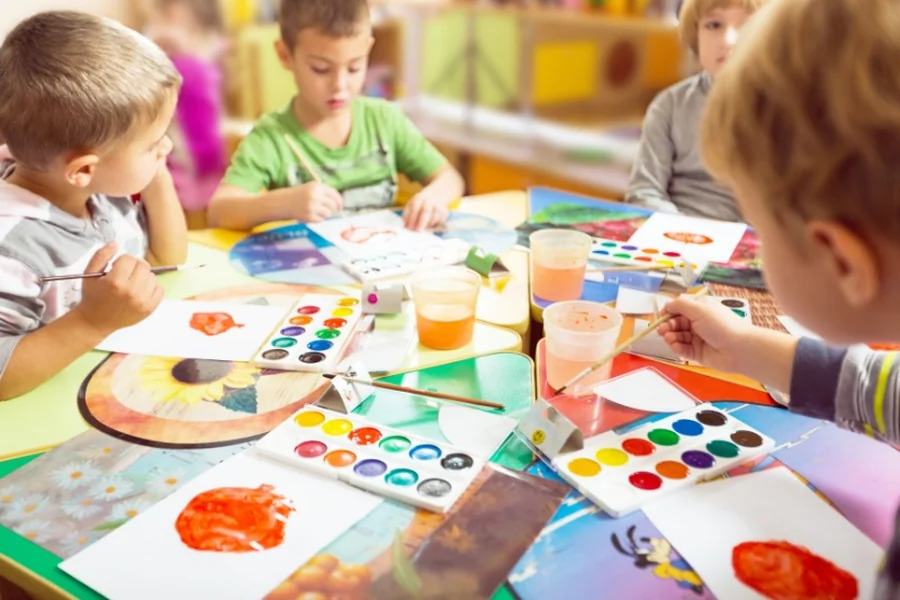
- Art and craft activities to strengthen hand muscles and creativity
- Calming exercises like breathing, stretching, or mindfulness
These activities allow children to learn through movement, play, and experimentation, making the process enjoyable and effective.
Real-Life Example
Imagine a child who struggles with handwriting, becomes overwhelmed by noise in the classroom, and has difficulty sitting still. These challenges can affect confidence and academic performance. Through occupational therapy, the therapist assesses the child’s needs and creates a plan that includes sensory regulation activities, fine motor strengthening, and learning strategies for staying calm and organised in school.
Over time, the child becomes more confident, improves their handwriting, and feels more comfortable in classroom environments. This transformation reflects the powerful impact of consistent, tailored occupational therapy.
Supporting Children with Sensory Needs
Many children experience difficulties processing sensory information. They might be sensitive to sound, movement, textures, or light. Others may seek more sensory input than their environment provides.
Occupational therapists use sensory integration techniques to help children regulate their responses. These methods can help children feel calmer, more focused, and ready to learn.
Therapy might include swinging, bouncing, brushing, tactile exploration, or structured sensory play. These activities help develop the child’s ability to process sensations in a more organised and comfortable way.
Building Confidence and Independence
One of the greatest achievements of occupational therapy is the improvement in a child’s confidence. When children master new skills, they feel proud of themselves. They become more willing to try new activities and face challenges with a positive mindset.
Tasks that once felt frustrating or overwhelming begin to feel manageable. This increased sense of accomplishment often leads to better social interactions, improved self-esteem, and greater independence at home and school.
The Importance of Supportive Guidance for Parents
Parents play an essential role in their child’s development. Occupational therapists provide parents with practical tools, advice, and strategies to use at home. These can include:
- Techniques for supporting sensory regulation
- Ideas to strengthen fine and gross motor skills
- Ways to create routines that help with focus and independence
- Simple activities to promote learning and emotional regulation
This guidance ensures that progress continues beyond therapy sessions and becomes part of the child’s daily life.
Creating Positive School Experiences
Many children struggle in school because the environment is busy, structured, and full of expectations. Occupational therapy can help bridge the gap between a child’s abilities and their school environment.
Therapists may work with teachers to adapt classroom tasks, adjust seating arrangements, recommend sensory tools, or develop routines that support learning. These collaborations help create a smoother, more positive school experience for the child.
Conclusion
Children deserve every opportunity to grow, learn, and feel confident in their abilities. Occupational therapy plays a vital role in supporting development, helping children overcome challenges, and empowering families with knowledge and practical strategies. Services like Hope Kids Occupational Therapy provide the expertise, compassion, and personalised care that help children shine in their own unique way.
With the right support, every child can build the skills they need to thrive at home, at school, and in everyday life. Through a combination of play-based learning, goal-oriented strategies, and collaborative guidance, occupational therapy continues to make a meaningful difference in the lives of families and children across Australia.
