
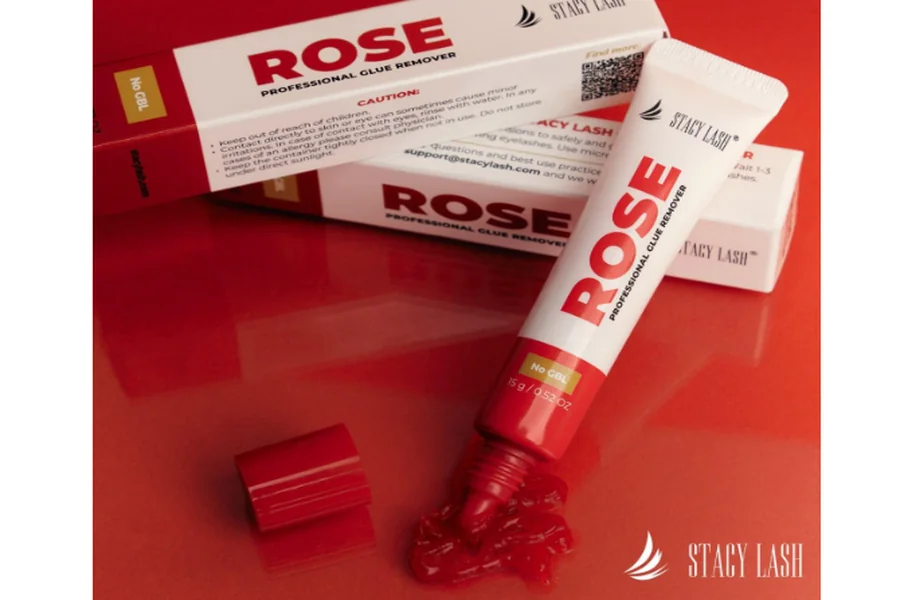
As a lash artist, mastering the safe and effective removal of eyelash extensions is just as important as perfecting the application. Improper removal can result in lash damage, eye irritation, or even client injury — risks that no professional should take lightly. Using a high-quality lash extension remover and following proper protocols ensures client comfort, maintains the integrity of their natural lashes, and protects your reputation as a skilled professional.
In this guide, we’ll explore everything from the best way to remove lash glue to essential eyelash aftercare tips post-removal. Whether you’re dealing with a full set, partial fills, or correcting poorly applied extensions, the process must be executed with precision and care.
Why Proper Lash Removal Is Essential
Safe eyelash extension removal is a key part of lash maintenance and client retention. Clients may request removal for various reasons: allergic reactions, lash shedding, improper application by another technician, or simply wanting a break from extensions.
When done improperly, removal can cause:
– Breakage or pulling of natural lashes
– Chemical burns or eye irritation
– Weakening of lash follicles over time
As professionals, it’s our duty to use professional lash remover products and proven techniques to avoid these complications and provide a seamless service experience.
Different Types of Lash Removers: Gel vs. Cream vs. Liquid
Choosing the right lash extension remover is critical for both effectiveness and safety. Here’s a breakdown of the most common types used by professionals:
-
Gel Lash Remover
Best for: Spot removals or full sets
Benefits: Medium-thick consistency makes it easy to control. It doesn’t run into the eyes, making it ideal for skilled lash professionals, due to its efficiency and speed.
Use with caution: Should not touch the skin. Ensure the client’s eyes are closed and isolated properly.
-
Cream Lash Remover
Best for: Full set removals
Benefits: Thickest formula and safest for beginners. Stays in place and is less likely to seep into the eye area.
Additional benefit: Many cream removers are formulated with nourishing oils to protect natural lashes.
-
Liquid Lash Remover
Best for: Experienced professionals performing quick removals
Benefits: Fast-acting and highly effective in breaking down glue
Risks: Thin consistency increases the risk of eye exposure. Use extreme caution.
Each remover has its place in a lash studio, but the key is knowing how to use them appropriately for your client’s needs and your own comfort level as an artist.
Step-by-Step Guide to Safely Removing Eyelash Extensions
Follow this detailed process to ensure a safe and effective lash removal session using professional-grade products:
Step 1: Prepare Your Workstation
Ensure proper lighting, hygiene, and ventilation.
Have your tools ready: remover of choice, lint-free applicators or microbrushes, eye pads, and saline solution.
Step 2: Secure the Lower Lashes
Apply under-eye pads or tape to isolate lower lashes and protect the skin.
Step 3: Apply the Lash Remover
Using a microbrush, apply a professional lash remover directly onto the bonded area.
Avoid contact with the skin and ensure the client’s eyes remain closed.
Step 4: Let the Remover Sit
Allow 5–10 minutes for the remover to dissolve the adhesive. Cream removers may require a bit longer than gel formulas.
Step 5: Gently Slide Off Extensions
Using two microbrushes or applicators, gently slide the extensions off the natural lash without tugging.
Repeat remover application if any glue remains.
Step 6: Cleanse the Lashes
Once all extensions are removed, cleanse the lashes with a lash-safe cleanser or saline solution to remove residue.
Step 7: Dry and Brush
Pat the lashes dry and gently brush through with a clean mascara wand.
Common Mistakes to Avoid When Removing Lashes
Even seasoned lash techs can make errors if they rush or skip steps. Be mindful of these common pitfalls:
– Using the wrong remover for the situation or adhesive type
– Rushing the removal time, which can lead to pulling and lash damage
– Touching the skin with remover, especially liquid types
– Not patch testing if it’s a client’s first time with the remover
– Using excessive force to pull off lashes instead of allowing the remover to work
– Always prioritize your client’s comfort and lash health over speed.
Aftercare Tips to Keep Natural Lashes Healthy
Once the extensions are removed, your work isn’t done. Providing eyelash aftercare tips helps your clients maintain healthy natural lashes and prepares them for their next set if they choose to return.
Recommend the following:
Avoid mascara and eye makeup for 24 hours post-removal to allow lashes to breathe.
Apply nourishing serums (biotin or peptide-based) to strengthen the natural lash line.
Avoid lash curlers, which can weaken or break fragile lashes.
Book a lash break: Suggest a recovery period before reapplying extensions if lashes appear sparse or weakened.
Encourage a healthy routine: Hydration, proper diet, and sleep all contribute to lash health.
Conclusion
Professional lash removal is an essential skill that should never be underestimated. With the right lash extension remover, proper technique, and a commitment to safety, lash artists can offer a seamless removal experience that preserves the health of natural lashes.
Whether using gel, cream, or liquid, the best way to remove lash glue is patiently and gently — never forcefully. Pair your technical know-how with effective eyelash aftercare tips, and you’ll not only protect your clients’ lashes but also build long-term trust and repeat business.
Invest in your knowledge, use professional-grade tools, and always put client safety first — that’s the true mark of a seasoned lash professional.

Nike is the founder and editor at nameshype.com. He is graduated in English language and love to write and share information online.
Therefore he has created this unique community to give millions of people all over the world with unique, funny, cute and creative name ideas.