
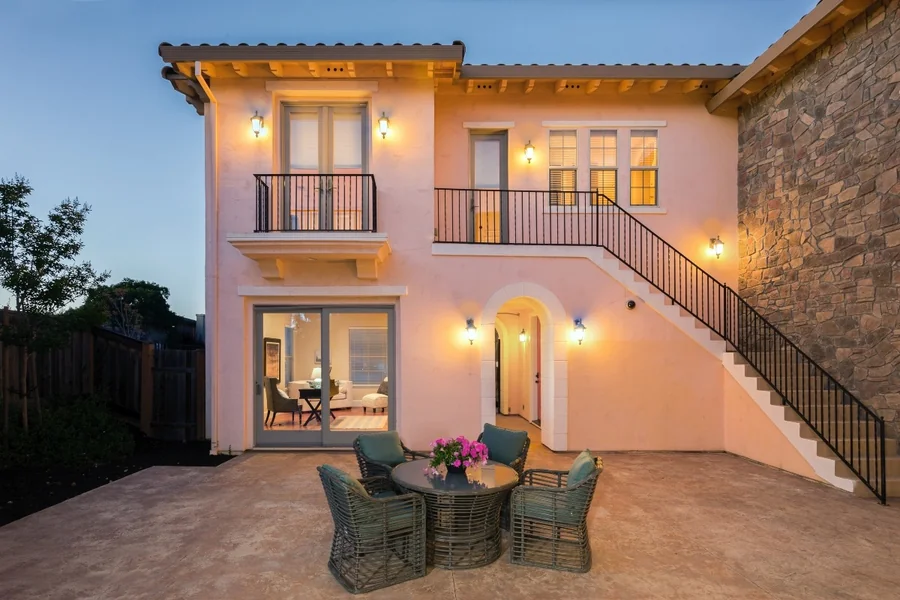
Beneath the golden Spanish sun, crumbling fincas and faded townhouses whisper tales of yesteryear, waiting for a bold new chapter. For adventurous homebuyers, acquiring and renovating a run-down Spanish property offers not just a place to live, but an opportunity to breathe new life into history itself. Yet, while the vision of a lovingly restored home framed by olive groves is undeniably alluring, the journey from derelict shell to dream abode is one of complexities, surprises, and immense satisfaction.
For those planning such a project abroad, exploring different financing options can make the dream more attainable. A DSCR loan may suit buyers who prefer flexibility, as it allows qualification based on the property’s rental potential rather than personal income. This approach can open the door to restoring a piece of Spanish history without overextending traditional borrowing limits.
Why Buy a Run-Down Property in Spain?
The appeal is easy to see. Prices for neglected rural cottages, village homes, and even grander townhouses can be significantly lower than their modern or well-kept counterparts, making entry into the Spanish property market more accessible. Beyond cost, there is the romance of restoration: the chance to honour traditional architecture, craft a bespoke living space, and perhaps even support the revitalisation of a dwindling community.
Finding the Right Property
The search should begin with research and, ideally, a trusted local real estate agent. Regions such as Andalusia, Valencia, and Galicia offer a wealth of dilapidated gems—think white-washed cortijos, stone farmhouses, or even centuries-old palacios. When considering a property, look for solid fundamentals: thick stone walls, a sound roof, and a location with potential for growth or rental interest. Always schedule a thorough structural survey; charming as ancient beams may be, hidden problems can quickly drain your budget and patience.
Understanding the Legal Landscape
Purchasing property in Spain can be labyrinthine, especially with older homes, according to Martin Thompson, a British expat who works for Valuvillas in Javea. Before signing anything, consult an independent solicitor who can check the title, ensure there are no outstanding debts, and confirm that renovations are permitted (some rural or historic zones have significant restrictions). Registering your purchase and obtaining the correct licences are essential—never assume paperwork is in order just because the property has stood for generations.
Budgeting for Restoration
Restoration costs can vary wildly depending on the building’s condition, your ambitions, and local prices for labour and materials. Build in a healthy contingency—unexpected discoveries are almost a given, from subsiding foundations to wiring last updated in the Franco era. Typical expenses include:
- Architect and engineer fees
- Planning and building permits
- Structural work (roof, walls, floors)
- Utilities (electricity, water, sewage)
- Interior finishes and fittings
- Landscaping and external areas
Many buyers opt to phase their renovation, tackling one living area at a time, both to spread costs and mitigate disruption.
The Renovation Journey
Restoring a Spanish ruin is a test of vision and endurance. Sourcing local artisans and materials helps preserve authenticity, but language barriers and regional quirks can lead to frustration. Communication is key: establish clear contracts, timelines, and payment schedules before any work begins. Don’t be afraid to roll up your sleeves—many expats find great reward in participating directly, whether it’s painting shutters or tiling a terrace.
Challenges and Rewards
Renovation rarely runs smoothly. You may wrestle with bureaucracy, unearth woodworm, or face delays as builders juggle projects. Yet, these struggles are counterbalanced by the unique satisfaction of restoring weathered stone, fitting hand-made tiles, or basking in the first sunset from your finished patio. By breathing new life into an old house, you not only create a home but also preserve a fragment of Spain’s architectural heritage.
Conclusion
The path to owning and renovating a run-down Spanish property demands patience, flexibility, and a measure of daring. But for those willing to embrace the process, the rewards are profound: a unique home, a connection to local culture, and the knowledge that you’ve played a part in history’s unfolding story. Whether your dream is a rustic farmhouse or a hilltop hideaway, Spain’s forgotten homes await their next custodian—perhaps, you.

Nike is the founder and editor at nameshype.com. He is graduated in English language and love to write and share information online.
Therefore he has created this unique community to give millions of people all over the world with unique, funny, cute and creative name ideas.