
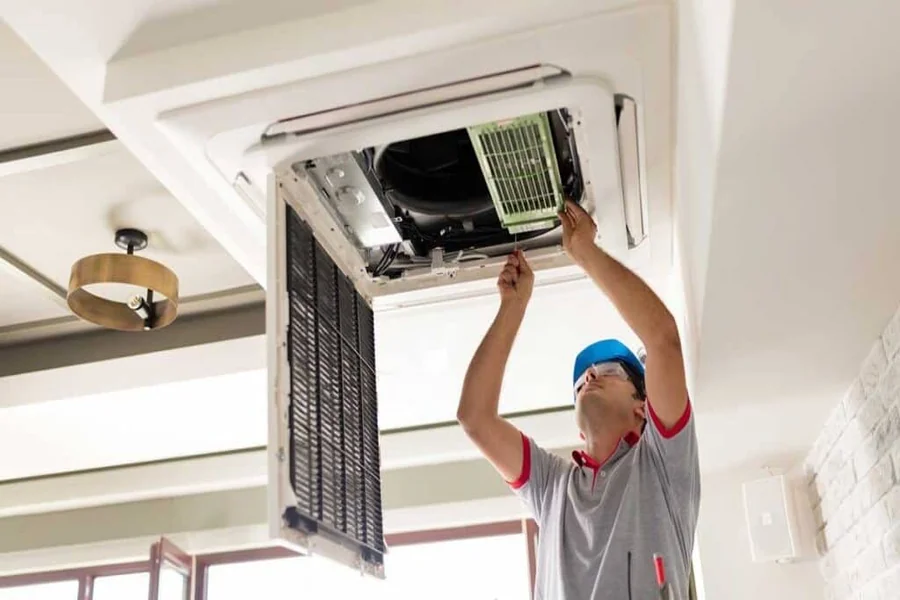
Installing a new air conditioning system is one of the most important decisions you can make for long-term comfort in your home. It affects not just temperature control but also energy efficiency and overall property value. Before proceeding, homeowners should review several key factors related to AC installation for Kingston homes and similar environments. Each home is unique, so assessing your specific needs and priorities will set the stage for a successful and reliable installation.
It’s not just about picking an energy-efficient model. Choosing the right air conditioning setup means considering how it fits your home’s layout, the current state of your ductwork, your local climate, and your budget. Understanding these aspects is the key to making a confident, cost-effective decision that will provide comfort for years to come.
Proper Sizing of the AC Unit
When it comes to air conditioning, bigger isn’t always better. An undersized unit will run constantly, struggling to keep your living space comfortable during the hottest days, which drives up your energy use and puts excessive strain on the system. On the other hand, an oversized unit will frequently turn on and off, or short-cycle, reducing its efficiency and lifespan. Accurate sizing should be based on a professional load calculation that considers your home’s square footage, insulation, ceiling heights, and climate zone. Consult resources such as the U.S. Department of Energy guide to understand these variables in more detail.
Evaluating Existing Ductwork
The condition of your ductwork is just as critical as the AC unit itself. Leaky, uninsulated, or poorly designed ducts will result in wasted energy, reduced airflow, uneven temperatures, and higher utility bills. Before investing in a new system, have a technician inspect your ductwork for leaks, blockages, or insulation gaps. Repairing or upgrading your duct system can prevent headaches and extra expenses later.
Understanding Energy Efficiency Ratings
Modern AC systems are rated for their energy efficiency using the SEER (Seasonal Energy Efficiency Ratio) rating system. The higher the SEER rating, the less energy it takes to cool your home, which translates into lower monthly bills. Minimum SEER standards now differ by location, so be sure to check the requirements for your area. Higher upfront costs for high-SEER units often yield savings over time, including lower energy consumption and reduced maintenance costs.
Choosing the Right Type of AC System
The best air conditioner for your home depends largely on your living space, existing infrastructure, and personal preferences. Central air conditioning is ideal for homes with comprehensive ductwork, offering efficient whole-home cooling. Ductless mini-split systems are increasingly popular for homes without ducts or for additions, providing room-by-room temperature control. High-velocity systems that use small, flexible ducts can be retrofitted with minimal disruption to the existing architecture. Understanding your home’s needs helps you narrow down your choices wisely. For more information on system types and technologies, consult similar guides from reputable sources.
Budgeting for Upfront and Long-Term Costs
Cost is a major factor in any home improvement decision. While more efficient and advanced models may have higher initial price tags, they generally reduce overall operating costs by improving energy efficiency and durability. Remember to factor in ancillary expenses, such as ductwork repairs, potential electrical upgrades, and ongoing maintenance. Getting detailed written estimates from installers and accounting for rebates or incentives can help with budgeting effectively.
Considering Installation Timing and Seasonality
Timing your AC installation can save you both money and stress. Scheduling your project during the shoulder seasons, spring or fall, may offer cost savings through contractor promotions and better appointment flexibility. Installing ahead of summer’s peak ensures you remain comfortable even during the warmest months, reducing the risk of extended downtime if backlogs occur.
Assessing Home Insulation and Sealing
Even the most efficient AC system will struggle to maintain indoor comfort if your home is poorly insulated or full of air leaks. Check your attic, walls, windows, and doors to ensure they are well sealed. Upgrading insulation and weatherizing your living space maximizes your air conditioner’s performance and keeps cooling costs in check year after year.
Selecting a Reputable HVAC Contractor
The installation is only as good as the contractor performing it. Qualified, licensed professionals have the training and experience to recommend the right unit, assess the ductwork, and install the system in accordance with code. Seek out contractors with strong credentials, positive customer reviews, and a transparent quoting process. They should perform a full assessment of your home before providing a recommendation. Reliable contractors also offer warranties on both equipment and labor, giving you peace of mind for your investment.
By evaluating these important considerations, you can make a well-informed decision that leads to years of comfortable, energy-efficient living in your home.

Nike is the founder and editor at nameshype.com. He is graduated in English language and love to write and share information online.
Therefore he has created this unique community to give millions of people all over the world with unique, funny, cute and creative name ideas.