
America is the beating heart of global entertainment, and it’s changing faster than most of us can keep up with. The way we consume media today would’ve seemed like science fiction just a decade ago.
Technology doesn’t just evolve anymore–it sprints. And when digital innovation crashes into content creation, you get these massive shifts that completely transform how millions of people engage with entertainment. We’re talking about changes that affect everyone: consumers binge-watching at 2 AM, creators scrambling to adapt, and entire industry ecosystems getting flipped upside down.
Let’s dive into five major trends that are reshaping America’s media landscape right now. Trust me, these aren’t just passing fads.
1. Streaming Services Have Basically Won
Remember when we all gathered around the TV at 8 PM for our favorite show? Those days are pretty much over. Streaming platforms didn’t just change the game–they demolished the old rulebook entirely.
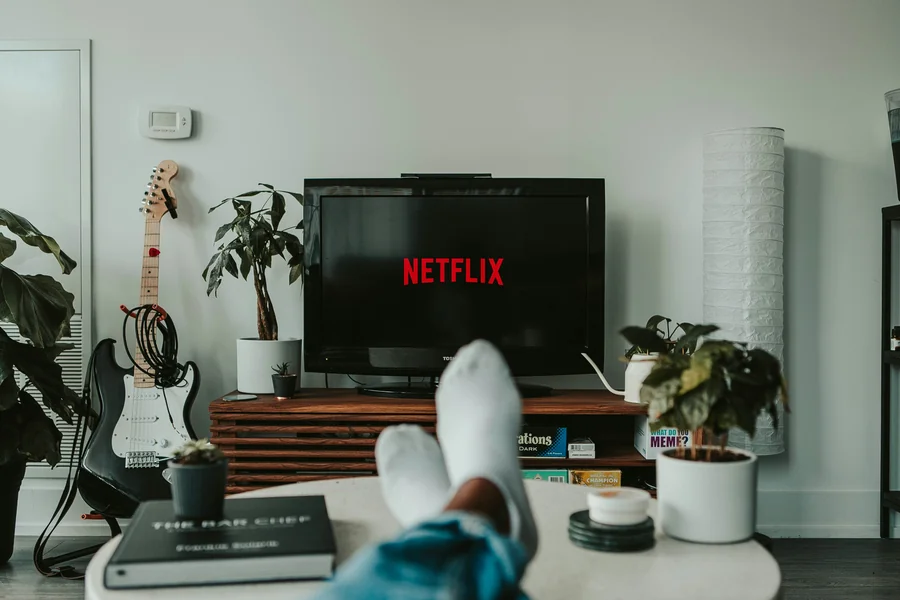
Netflix, Amazon Prime, and Disney+ aren’t just alternatives to cable anymore. They’ve become the main event. Netflix alone has around 277.6 million to 301.6 million subscribers worldwide as of late 2025. That’s not just impressive–it’s staggering.
These platforms know what you want to watch before you do. Their algorithms create personalized experiences that make traditional cable look ancient. Plus, they’ve opened doors for independent filmmakers who couldn’t get a meeting in Hollywood five years ago.
The result? We’ve got this incredible ecosystem where a quirky indie documentary can sit right next to a $200 million blockbuster. Viewers get unprecedented control, and honestly, there’s no going back.
2. Stories That Actually Reflect Real America
Finally, Hollywood’s waking up to the fact that America isn’t just one demographic. Shows like “Bridgerton” and films like “Black Panther” aren’t just checking diversity boxes. They’re proving that culturally rich stories can dominate both critically and commercially.
This shift isn’t charity work. It’s smart business. When you create content that reflects America’s actual diversity, you tap into markets that have been hungry for representation for decades.
The best part is that these stories don’t sacrifice quality for inclusion. They’re enhancing it. When you draw from a wider pool of experiences and perspectives, you get richer, more compelling narratives.
3. Reality Gets an Upgrade: AR and VR Take Off
Augmented and virtual reality used to feel like expensive gimmicks. Not anymore. Companies like Oculus and Magic Leap are creating experiences that genuinely change how we interact with content.
I’m talking about attending concerts from your living room that feel almost real. Or playing games that transport you so completely that you forget where you actually are. This isn’t just cool tech–it’s fundamentally changing what entertainment can be.
The applications go way beyond gaming, too. Real estate companies let you tour homes virtually. Educational programs transport students to ancient Rome. Tourism boards offer virtual previews of destinations. AR and VR are expanding entertainment’s definition.
4. Gaming Isn’t Just for Kids Anymore
Gaming’s had a massive glow-up. It’s not some niche hobby relegated to basements–it’s become a legitimate media powerhouse that rivals traditional sports in viewership and cultural impact.
Twitch hosts millions of users streaming and watching content daily. The 2025 League of Legends World Championship had over 6.7 million viewers worldwide.
Games like “The Last of Us” deliver storytelling that rivals the best films and TV shows. They’re interactive movies with production values that would make Hollywood jealous. Gaming’s not competing with traditional media anymore–it’s leading it.
5. Live Events Make Their Comeback
After COVID basically shut down live entertainment, people are craving shared experiences again. There’s something about being in a room with thousands of other people, all experiencing the same thing at the same moment, that streaming just can’t replicate.
Live events offer that irreplaceable human connection. The energy, the spontaneity, the shared emotions–you can’t download that experience.
What’s Next?
These trends aren’t slowing down. They’re accelerating. For producers, creators, and marketers, adapting isn’t optional–it’s survival. Platforms like Americas Cardroom reflect these broader online engagement trends, offering experiences that integrate seamlessly with how people actually live their digital lives.
Whether it’s through cutting-edge digital innovation or the revival of communal experiences, America’s media landscape stays dynamic because it’s driven by both cultural shifts and technological breakthroughs.
