
Choosing a restaurant used to be simple. You were hungry, you picked somewhere close, and that was that. Now? It feels more like planning a small event. Is it a date or a business meeting? Loud or quiet? Casual or dress-up? Somewhere new, or a safe favourite?
Dining has become part logistics, part lifestyle choice. And in a world where Google reviews, TikTok food clips, and last-minute group chats shape decisions, picking the right restaurant can feel surprisingly high-stakes.
So how do you actually choose the perfect restaurant for any occasion-without overthinking it?
Let’s break it down.
Start With the Occasion, Not the Menu
The biggest mistake people make is starting with food. Cuisine matters, sure, but context matters more. A restaurant that’s perfect for a birthday might be terrible for a client meeting. A great date spot could feel awkward for a family dinner.
Notably, the best dining experiences usually align with why you’re there, not just what you’re eating.
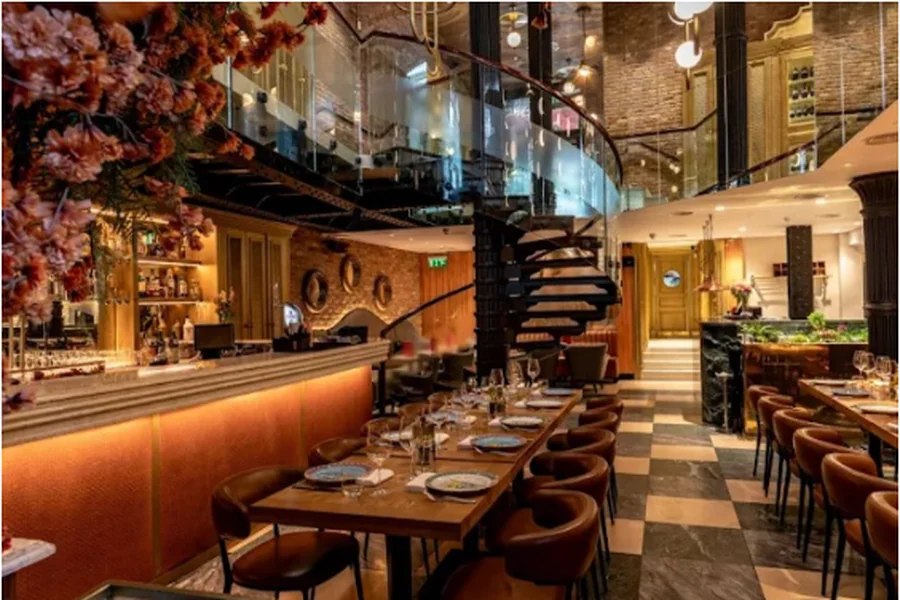
Take 1 Lombard Street, for example. Sitting right in the heart of the City of London, it’s the kind of place that works effortlessly for corporate lunches, business dinners, and post-work meetups. High ceilings. Historic architecture. Calm energy without feeling stiff.
It’s not just about the menu-it’s about the atmosphere doing half the work for you. You walk in, and suddenly the meeting feels more important. Conversations slow down. People sit up straighter. The setting sets the tone before the first drink even arrives.
A key takeaway is this:
Choose the restaurant that supports the mood you want, not just the food you crave.
Match the Energy to the People
Every group has a different social rhythm. Some people want background noise and movement. Others want space to talk without shouting.
Think about:
- Are you catching up or celebrating?
- Is this about conversation or experience?
- Do you want attention on the food-or on each other?
Interestingly, psychologists have found that ambient noise changes how we perceive taste and mood. Loud spaces make people eat faster and spend more. Quiet spaces slow everything down.
That’s why brunch spots feel different from fine dining rooms. And why bars with food aren’t the same as restaurants with bars.
If you’re planning something meaningful-first dates, anniversaries, long-overdue reunions-lean toward places that encourage connection, not distraction.
Valentine’s Day Is About Emotion, Not Just Romance
With Valentine’s Day just around the corner, restaurant choices suddenly become emotional decisions. People aren’t just looking for dinner. They’re looking for a moment.
Restaurants such as Bocconcino in Mayfair are the kind of place that feels designed for romance without trying too hard. Low lighting. Elegant Italian interiors. A menu built for sharing. It doesn’t scream “Valentine’s special.” It whispers it.
And that’s what makes it work.
Couples searching for the best Valentine’s Day restaurant in London usually want three things:
- Intimate atmosphere
- High-quality Italian food
- A sense of occasion
Bocconcino ticks all three.
You’re not just eating pasta. You’re sitting in a space that feels cinematic. The kind where time stretches, phones stay face-down, and dessert becomes non-negotiable.
Anecdotally, a friend once described their Bocconcino dinner as “the first time a restaurant did the flirting for me.” Slightly dramatic, sure-but also accurate.
For romantic occasions, always ask:
Does this place help me express how I feel?
If the answer’s yes, you’re halfway there.
For Groups, Think Space Before Style
Group dining changes everything. Noise tolerance goes up. Coordination gets harder. And suddenly the table matters more than the food.
The perfect group restaurant needs:
- Flexible seating
- Fast service
- A menu everyone can agree on
- Enough atmosphere without chaos
Not every “cool” restaurant works for groups. Some look great on Instagram but fall apart with more than four people.
That’s why venues designed for social dining tend to outperform trendy hotspots when it comes to birthdays, reunions, and celebrations.
You want somewhere that feels like it can handle you-without making you feel like a problem.
Location Still Beats Hype
It’s tempting to chase the newest opening. But proximity often matters more than popularity.
If guests spend 45 minutes commuting, they arrive tired. If parking’s impossible, stress enters the mood. If the area feels awkward, people rush home.
A good rule:
The best restaurant is the one everyone can actually get to.
Central, well-connected locations consistently win because they remove friction. No one needs directions. No one’s late. No one’s mentally clocking travel time.
Convenience quietly shapes experience more than we admit.
The Menu Should Reduce Decisions, Not Create Them
Big menus look impressive. But they’re exhausting.
Research in behavioural economics shows that too many options increase anxiety and reduce satisfaction. People worry they chose the wrong thing-even if the food is great.
Smaller menus feel curated. Intentional. Confident.
That’s why modern restaurants are shrinking their offerings. It’s not laziness. It’s strategy.
A tight menu signals:
- Fresh ingredients
- Clear identity
- Faster kitchen flow
And most importantly, fewer regrets.
Don’t Ignore the “After” Factor
One underrated question:
What happens after dinner?
Some restaurants end the night. Others extend it.
Can you stay for drinks? Is there a bar nearby? Does the atmosphere shift naturally from dining to socialising?
This matters for:
- First dates
- Birthdays
- Team outings
- Weekend plans
You want options without pressure. Momentum without obligation.
A great restaurant doesn’t trap you-it gives you choices.
When You Want Energy, Go Where People Gather
There are places built for fun, not formality. Places like Reichenbach Hall.
It’s lively, loud, and communal. The kind of venue where long tables encourage strangers to talk, steins replace wine glasses, and nobody’s whispering.
Perfect for:
- Big groups
- Casual celebrations
- Social nights out
- Post-event gatherings
Reichenbach Hall works because it knows exactly what it is. It doesn’t pretend to be intimate. It leans into being social.
And sometimes, that’s exactly what you need.
Not every occasion requires romance or refinement. Some just need good food, loud laughter, and a room full of energy.
Reviews Matter-but Not the Way You Think
People read reviews looking for “best” and “worst.” But the real value is in patterns.
Ignore extremes. Focus on:
- Consistency of service
- Atmosphere comments
- Noise levels
- Crowd type
One-star and five-star reviews often say more about the reviewer than the restaurant.
Mid-range reviews? That’s where the truth lives.
Final Thought: The Perfect Restaurant Feels Effortless
The best dining experiences rarely feel planned. They feel natural. Like you ended up exactly where you were supposed to be.
Whether it’s a polished business lunch at 1 Lombard Street, a romantic Valentine’s dinner at Bocconcino in Mayfair, or a high-energy group night at Reichenbach Hall, the common thread is alignment.
The place fits the moment. The moment fits the people.
And when that happens, nobody remembers the menu first.
They remember how it felt.
