
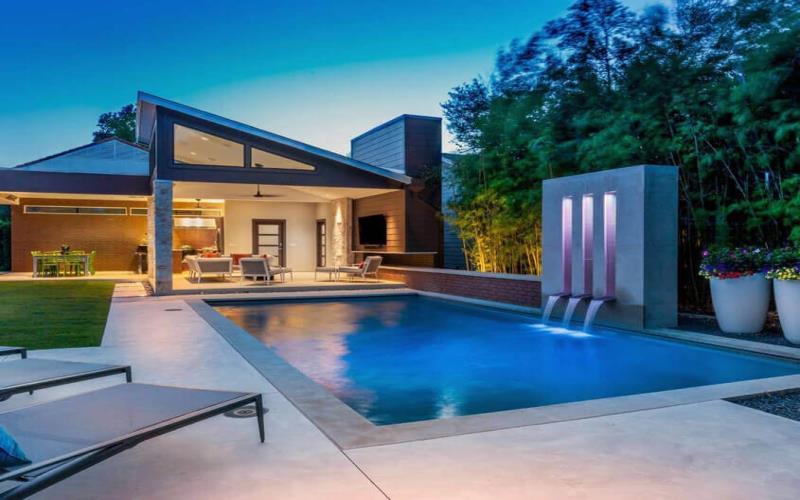
A backyard pool is often seen as the ultimate addition to any home, promising endless summer fun and increased property value. While the idea of diving into your own pool is undoubtedly appealing, the true cost of building and maintaining one can be significantly higher than you might expect. Many homeowners overlook the hidden expenses that go beyond the initial construction cost. If you’re considering financing your pool with a pool loan, understanding these additional costs can save you from financial surprises down the road.
Permits and Inspections
One of the first steps in building a pool is obtaining the necessary permits. Depending on where you live, these permits can range from a few hundred to several thousand dollars. Permits are required to ensure your pool complies with local zoning laws, safety regulations, and building codes. Additionally, inspections may be needed at various stages of construction. Each inspection typically comes with its own fee, which should also be factored into your loan amount. Skipping this step can lead to fines or delays, so it’s essential to budget for these administrative costs upfront.
Landscaping and Site Preparation
Building a pool often involves more than just digging a hole in your backyard. Site preparation can be a significant expense, especially if your property has uneven terrain, rocks, or other obstacles. You may also need to invest in landscaping to make your pool area visually appealing and functional. This might include planting grass, installing shrubs, or adding decorative features like stone paths or retaining walls. These enhancements not only improve the aesthetics of your pool but also help integrate it seamlessly into your outdoor space. Make sure to allocate a portion of your loan to cover these landscaping costs.
Pool Fencing and Safety Features
Safety is a top priority when adding a pool to your home, especially if you have children or pets. Many municipalities require a pool to be enclosed by a fence that meets specific safety standards. The cost of installing a fence varies depending on the materials and size but can range from $1,500 to $10,000 or more. Other safety features, such as pool covers, alarms, and anti-slip decking, may also be necessary. These items not only ensure compliance with local regulations but also provide peace of mind for you and your family.
Ongoing Maintenance Costs
Once your pool is built, the expenses don’t stop there. Regular maintenance is crucial to keep your pool clean, safe, and operational. This includes the cost of chemicals, cleaning supplies, and energy to run the pool’s filtration and heating systems. You may also need to hire a professional pool maintenance service, which can cost anywhere from $100 to $300 per month. Over time, these recurring expenses can add up, so it’s wise to include them in your financial planning.
Utility Bills
Pools are energy-intensive, and their operation will likely lead to higher utility bills. Heating the pool, running the pump, and using pool lighting can significantly increase your electricity usage. Depending on your energy rates and the size of your pool, you might see an increase of $50 to $300 or more per month on your energy bill. Solar heating systems can help mitigate some of these costs, but they come with their own installation expenses.
Unexpected Repairs and Upgrades
Even the best-built pools require occasional repairs. Over time, you may need to address issues such as leaks, cracked tiles, or malfunctioning pumps. Additionally, upgrades like replacing an old liner or resurfacing the pool can be costly. Setting aside a portion of your loan amount for unexpected repairs can help you avoid financial strain when these issues inevitably arise.
Financing for the Full Picture
When budgeting for a pool, it’s tempting to focus solely on the upfront construction costs. However, a well-thought-out financial plan should account for all the hidden expenses associated with building and maintaining a pool. Including permits, landscaping, safety features, maintenance, utility bills, and potential repairs in your loan amount can save you from unexpected financial headaches. By planning ahead, you can ensure your new pool is a source of joy rather than stress.
Adding a pool to your home can be an exciting and rewarding project, but it’s essential to approach it with realistic expectations. By understanding and budgeting for the hidden costs, you can enjoy your backyard oasis without breaking the bank. After all, a pool should be a place of relaxation—not financial worry.
