
Poor drainage around a home is more than a rainy-day inconvenience. When water collects near the foundation, it can cause basement leaks, erosion, mold, cracked concrete, damaged landscaping, and structural repairs. Many homeowners focus on gutters first, but gutter downspouts are just as important.
A rain gutter system only works if water has a clear path away from the house. When downspouts are too short, clogged, undersized, or poorly pointed, roof runoff can end up where it causes damage. The right downspout upgrades can improve rainwater drainage, protect foundation areas, and prevent water damage.
Why Proper Downspout Drainage Matters
Gutters collect rainwater from the roof drainage system. Downspouts move that water to the ground and away from vulnerable areas. If either part fails, the gutter drainage system becomes less effective.
Short downspouts often discharge water beside exterior walls. Damaged elbows can leak against siding. Clogged vertical pipes can force water back into gutters, creating gutter overflow problems during heavy rain drainage events. Poorly placed outlets can wash out mulch or direct water toward neighboring structures.
Good gutter drainage solutions are designed around the home’s roof size, yard slope, soil conditions, and existing water movement. Downspouts should move runoff to a safe drainage point.
Common Signs of Drainage Problems Around a Home
Some home drainage problems are easy to spot after a storm. Look for water pooling near foundation walls, standing water along walkways, or damp soil that stays soggy long after rainfall.
Basement water problems may show up as musty odors, wall stains, floor dampness, or seepage. Outside, watch for soil erosion, exposed roots, landscape washout, mold or mildew near exterior walls, and cracked foundation areas.
Overflowing gutters may also indicate downspout trouble. If gutters spill over after cleaning, the downspouts may be blocked, too small, or unable to move water fast enough. These signs should be addressed early because repeated moisture exposure can damage the exterior and interior.
Best Downspout Upgrades Homeowners Should Consider
Downspout extensions are one of the simplest drainage improvement for homes. They attach to the bottom of the downspout and carry water several feet away from the foundation. Rigid extensions are durable, while flexible drain extensions work around landscaping or curved paths.
Splash blocks for gutters are another basic option. They sit below the downspout and guide water away while reducing soil disturbance. They are most useful when the yard already slopes away from the home.
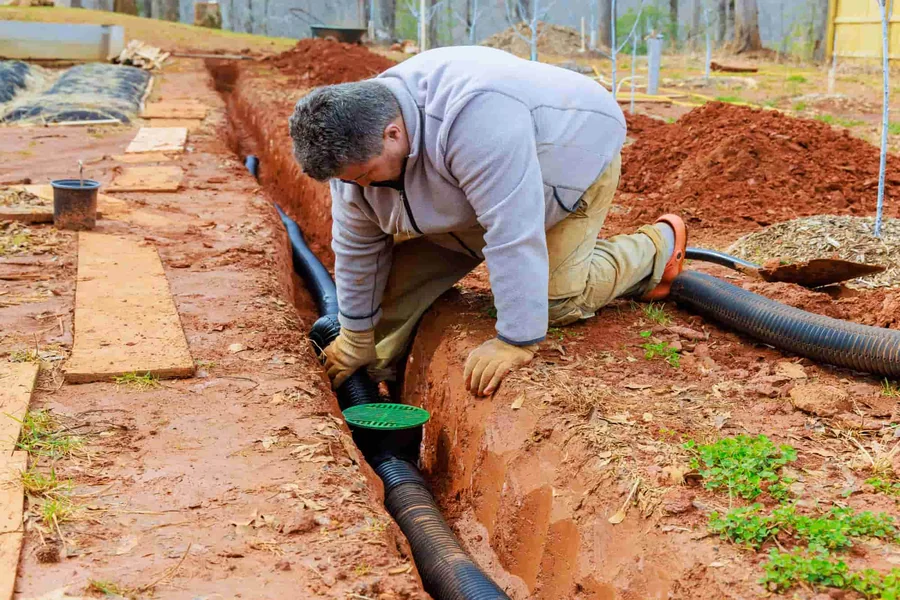
Underground downspout drainage is stronger for properties with recurring water pooling. Buried drain pipes move water away from the house and release it at a safer location. Pop-up emitters can discharge water when pressure builds.
Larger-capacity downspouts may be needed for homes with big roof sections or heavy rainfall. Wider downspouts allow more water to move through the system and can reduce overflow during storms.
Rain barrels can collect runoff for garden use, but they need proper overflow planning. Decorative drainage systems, such as stone channels or dry creek beds, can move water while improving curb appeal.
Gutter guard systems may also support better flow by reducing leaves and debris that enter the gutters and downspouts. They do not replace gutter maintenance, but they can reduce clogs.
Benefits of Upgrading Downspouts
Well-planned water drainage solutions can reduce flooding risk, prevent basement leaks, protect foundations, and improve gutter system performance. By moving water farther from the structure, upgraded downspouts help reduce soil erosion and moisture pressure.
They also support home exterior maintenance. Better runoff control can protect siding, paint, fascia, walkways, patios, and landscaping. Over time, drainage system upgrades may reduce repeated downspout repair, gutter repair services, and foundation fixes.
Choosing the Right Drainage Solution
The best upgrade depends on the property. A small single-story home with mild drainage issues may only need longer extensions. A larger home with steep rooflines, clay soil, or water flowing toward the foundation may need buried piping or additional downspout installation.
Tree coverage matters too. Leaves, twigs, and seed pods can clog gutters and vertical downspouts, after storms. In those cases, seamless rain gutters, larger outlets, gutter guards, and scheduled cleaning may work together as residential drainage solutions.
Landscaping layout is also important. Water should not discharge onto paved areas where it can freeze, toward a neighbor’s property, or into low spots that already hold water.
Common Mistakes Homeowners Should Avoid
A common mistake is using short extensions that stop too close to the foundation. Another is ignoring standing water because it disappears after a few hours. Repeated pooling can still weaken soil and create long-term problems.
Homeowners also forget that underground drains need maintenance. Buried pipes can clog with roots, leaves, mud, or animal nests. Improper slope is another concern. Drain lines must move water downhill or they may hold stagnant water.
DIY drainage work without planning can redirect water to the wrong area. Before changing the system, consider where runoff will actually go during a heavy storm.
Why Professional Inspection Helps
A professional inspection can identify hidden drainage issues, blocked downspouts, poor gutter pitch, damaged elbows, undersized outlets, and areas where water is collecting near the home. An experienced contractor can recommend exterior drainage solutions based on the property, not guesswork.
Southwest Seamless Rain Gutters is a helpful resource for seamless rain gutters, gutter drainage solutions, downspout upgrades, and gutter maintenance. Homeowners can learn at Southwest Seamless Rain Gutters when comparing ways to improve roof runoff and drainage performance.
Conclusion
Downspouts are small parts of the home, but they have a major role in rainwater drainage. If water is pooling, gutters are overflowing, or landscaping is washing away, the problem may not be the roof or yard alone. It may be an outdated or poorly planned downspout system.
Upgrading downspouts can improve water movement, reduce moisture risks, and protect the foundation before damage becomes expensive. With the right mix of extensions, buried drains, splash blocks, larger downspouts, and regular gutter maintenance, homeowners can create a stronger drainage plan year-round.

Nike is the founder and editor at nameshype.com. He is graduated in English language and love to write and share information online.
Therefore he has created this unique community to give millions of people all over the world with unique, funny, cute and creative name ideas.